
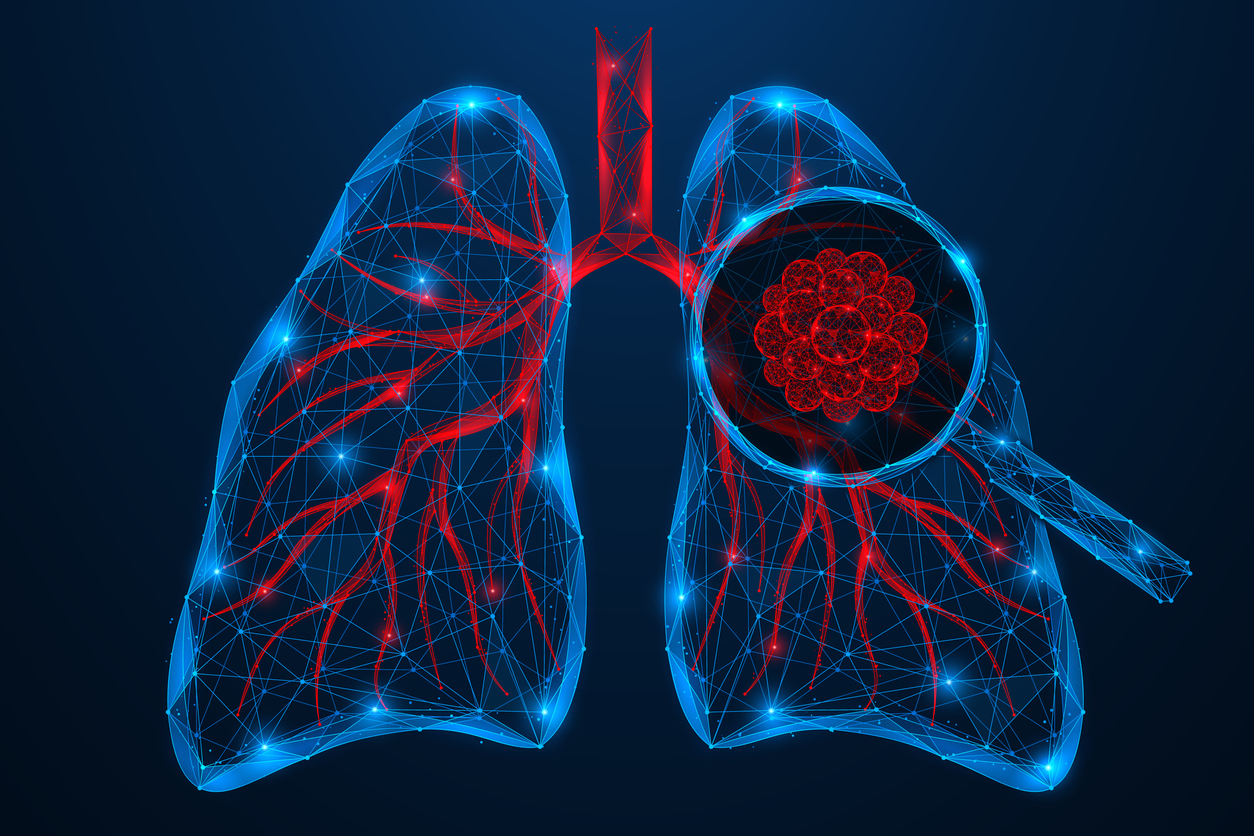
Awareness efforts help individuals understand what increases lung cancer risk, who should be screened, and why early detection can significantly improve outcomes. By empowering people with accurate information, Lung Cancer Awareness Month supports timely evaluation and potentially life-saving interventions.
Understanding Lung Cancer: Why Early Detection Is Essential
Lung cancer develops when abnormal cells grow uncontrollably in the lungs, often forming tumors that interfere with breathing and may spread to other parts of the body. The disease is frequently diagnosed late because symptoms such as persistent cough, chest discomfort, or fatigue can be mistaken for common respiratory illnesses.

Several key facts highlight the importance of awareness:
- Lung cancer accounts for nearly one in five cancer deaths in the U.S., according to the American Cancer Society.
- Smoking remains the leading risk factor, but radon, air pollution, occupational exposures, and a family history of lung cancer also contribute.
- Early-stage lung cancer is far more treatable, yet many individuals do not realize they are eligible for screening based on age and smoking history.
Understanding these risks and recognizing when to seek medical evaluation helps support early diagnosis. When lung cancer is found in its earliest stages, survival rates improve dramatically, underscoring the importance of education.
Key Risk Factors for Lung Cancer
Lung cancer has several well-established risk factors, and understanding them is essential for prevention and early intervention. While smoking remains the strongest contributor, a significant portion of lung cancer cases occur in people who have never smoked, highlighting the need for broader awareness.
Primary Risk Factors
- Tobacco Use: Cigarette smoking accounts for the majority of lung cancer cases, but risk also increases with cigars, pipes, and vaping products.
- Secondhand Smoke Exposure: Even brief exposure can harm lung tissue and raise cancer risk over time. Learn more about the dangers of second-hand smoke.
- Radon Gas: The second leading cause of lung cancer in the U.S., radon is an odorless, naturally occurring gas that can accumulate in homes.
- Occupational Exposures: Asbestos, diesel exhaust, arsenic, and industrial chemicals increase risk for certain workers.
- Air Pollution: Long-term exposure to particulate matter is associated with increased risk of lung cancer..
- Family History & Genetics: Having a parent or sibling with lung cancer raises individual risk, regardless of smoking status.
- Prior Radiation Therapy to the Chest: Sometimes used to treat other cancers, radiation exposure can elevate future lung cancer risk.
Identifying these risk factors helps guide screening eligibility and empowers individuals to reduce modifiable risks.
Recognizing Early Signs and Symptoms
Lung cancer often develops quietly, and symptoms may not appear until the disease has progressed. Paying attention to persistent or unexplained changes is essential, especially for people with known risk factors.
Common Symptoms Include:
- A persistent cough that does not improve
- Coughing up blood or rust-colored sputum
- Shortness of breath or wheezing
- Ongoing chest pain, especially with deep breaths
- Hoarseness or voice changes
- Recurrent respiratory infections such as pneumonia or bronchitis
- Fatigue, unintentional weight loss, or loss of appetite
Because these symptoms overlap with common illnesses, especially during cold and flu season, they may be overlooked. Any symptom lasting more than a few weeks should prompt evaluation by a healthcare provider.
Advanced imaging, including MRI and CT when clinically indicated, can help detect suspicious lesions or evaluate findings seen on other tests. Early recognition remains one of the most effective tools in improving lung cancer outcomes.
Screening Guidelines: Who Should Be Screened for Lung Cancer?
Early detection saves lives, but lung cancer screening is not recommended for everyone—only for individuals at higher risk. Current guidelines from leading medical organizations focus on identifying cancer at earlier, more treatable stages.
Who Qualifies for Annual Low-Dose CT (LDCT) Screening?
According to the U.S. Preventive Services Task Force (USPSTF), annual LDCT screening is recommended for adults who meet all of the following criteria:
- Age 50–80
- A 20 pack-year smoking history (for example: 1 pack per day for 20 years, or two packs per day for 10 years)
- Currently smoke or have quit within the past 15 years
LDCT screening has been shown to reduce lung cancer mortality by detecting tumors before they cause symptoms. Individuals who do not meet these criteria should speak with their healthcare provider about their personal risk factors, especially if they have significant exposure to radon, secondhand smoke, or occupational hazards.
MRI is not a standard screening tool for lung cancer, but it can support diagnosis and staging when further anatomical detail is needed or when CT findings require clarification.
How Imaging Helps Diagnose and Monitor Lung Cancer
Imaging is central to lung cancer diagnosis, staging, treatment planning, and monitoring. While CT remains the frontline tool, MRI has a vital role in evaluating tumors involving the chest wall, mediastinum, or spine.
Common Imaging Modalities Used in Lung Cancer Care
- Chest X-ray: Often the first test for evaluating symptoms, but it is limited in detail.
- CT Scans (Low-Dose or Diagnostic): The primary tool for detecting and characterizing lung nodules.
- MRI: Useful when high-resolution soft-tissue contrast is needed, such as evaluating tumor invasion into the chest wall, brachial plexus, mediastinum, or spine.
- PET/CT: Helps determine metabolic activity and identify potential metastatic sites.
For patients experiencing neurological symptoms or when lung cancer is suspected to have spread to the brain, a brain MRI is often recommended due to its superior sensitivity. MR imaging helps detect lung cancer, guide biopsy, assess treatment response, and monitor for recurrence.
Reducing Risk Through Prevention
While not all lung cancers can be prevented, many cases are linked to modifiable risk factors. Prevention efforts focus on reducing harmful exposures and supporting long-term lung health.
Evidence-Based Prevention Strategies
- Avoid Smoking & Get Support to Quit: Quitting at any age significantly lowers lung cancer risk.
- Limit Exposure to Secondhand Smoke: Home, vehicles, and workplaces should remain smoke-free.
- Test Your Home for Radon: Simple, inexpensive kits can identify dangerous radon levels.
- Use Protective Measures in High-Risk Occupations: Proper ventilation, respirators, and safety protocols reduce chemical exposure.
- Improve Indoor & Outdoor Air Quality: Air purifiers, proper ventilation, and minimizing pollutants can help.
- Maintain General Health: A balanced diet, regular exercise, and managing chronic conditions like COPD support overall lung function.
Individuals with a family history of lung cancer should discuss personalized prevention and screening strategies with their provider.
Treatment Options for Lung Cancer
Treatment for lung cancer depends on the type, stage, tumor location, and the patient’s overall health. Advances in oncology have significantly improved outcomes and expanded treatment possibilities, particularly for earlier-stage disease and specific genetic subtypes.
Common Treatment Approaches
- Surgery: Used when cancer is localized and operable. Procedures range from removing small nodules (wedge resection) to entire lobes or lungs, depending on tumor extent.
- Radiation Therapy: Effective for tumors that cannot be surgically removed or combined with other therapies to increase treatment success.
- Chemotherapy: Targets rapidly dividing cells and is frequently used for advanced or metastatic lung cancer.
- Targeted Therapy: Designed for cancers with specific genetic mutations (such as EGFR, ALK, or KRAS). These treatments can slow progression and improve survival.
- Immunotherapy: Helps the immune system recognize and attack cancer cells. Now a standard treatment for many forms of non–small cell lung cancer.
- Palliative Care: Provides symptom relief and improves quality of life throughout treatment—essential for all stages.
MRI may be used during staging or treatment planning when a tumor involves the mediastinum, chest wall, or spine, as well as for evaluating brain metastases.
Support for Patients, Survivors, and Caregivers
A lung cancer diagnosis affects every aspect of a patient’s life, and emotional, educational, and practical support are essential. Lung Cancer Awareness Month highlights not only prevention and early detection, but also the importance of community resources.
Support Resources
- Lung Cancer Foundation of America (LCFA): Offers education, research updates, and advocacy opportunities.
- American Lung Association: Provides online support groups, helplines, and smoking cessation resources.
- CancerCare: Offers free counseling, financial assistance programs, and caregiver support.
- Local hospital and community cancer centers: Provide navigation services, social workers, and survivorship programs.
Caregivers often play a key role in managing appointments, assisting with daily tasks, and offering emotional support. Recognizing caregiver needs, such as rest, connection, and education, helps improve outcomes for everyone involved.
Raising Awareness, Saving Lives
Lung Cancer Awareness Month serves as a potent reminder that knowledge, prevention, and early detection can save lives. Understanding your personal risk, recognizing the signs and symptoms, and pursuing screening when appropriate all contribute to better outcomes.
Imaging plays a vital role throughout the lung cancer journey, from detecting suspicious nodules to staging, monitoring treatment response, and evaluating recurrence. Greater Waterbury Imaging Center provides high-quality MRI services to support referring physicians and patients in achieving timely, accurate diagnoses.
Greater Waterbury Imaging Center delivers advanced MRI imaging designed to support accurate diagnosis and compassionate patient care. Our experienced team works closely with providers to ensure clarity, comfort, and timely results during every exam. Contact us today to learn more about MRI services for lung cancer evaluation and related imaging needs.