
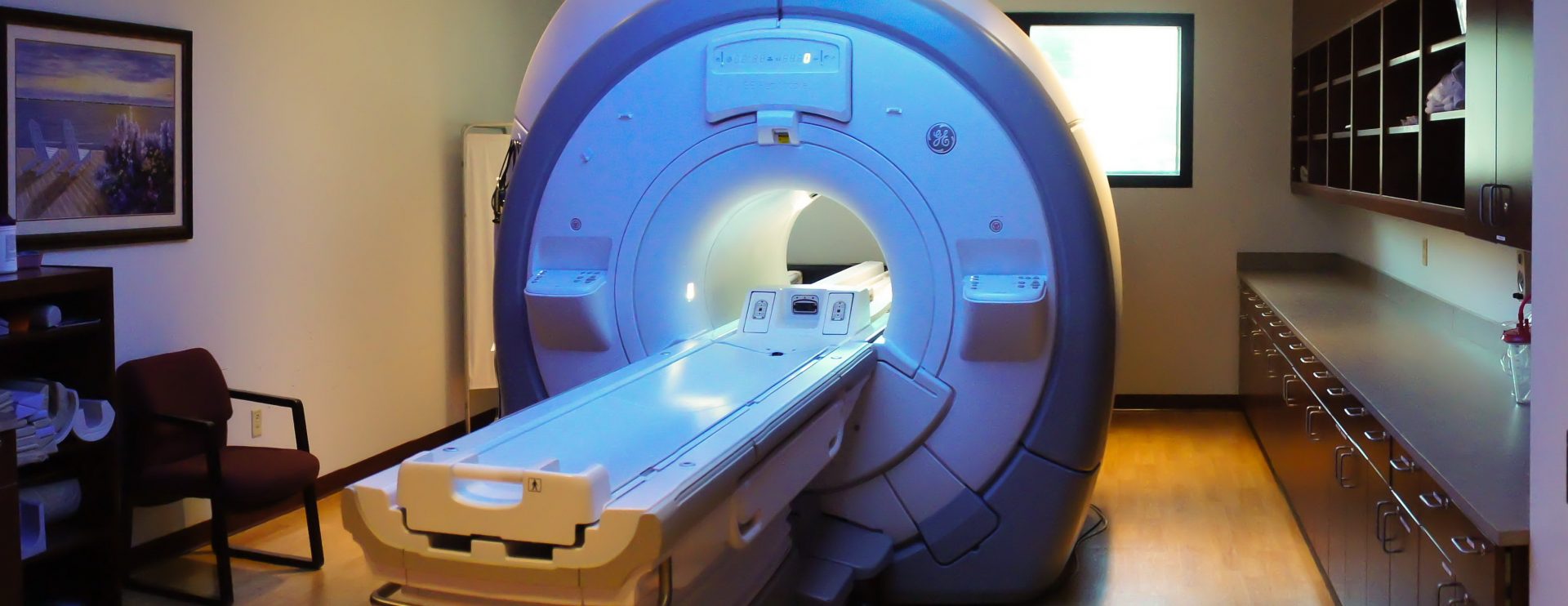

Greater Waterbury Imaging Center makes it easy to refer your patients for MRI. Our team offers convenient scheduling, help with authorizations, and fast access to images and reports for your office.
Quick Resources
Download the forms and reference documents your office needs to order an MRI at GWIC.
Why Refer to GWIC
Scheduling and Access
- Convenient hours: Monday–Friday, 7:30 a.m.–9:30 p.m., and Saturday, 8 a.m.–8 p.m.
- Two MRI machines allow for quicker scheduling of your patients
- Can accommodate patients up to 450 lbs.
- Easy parking and handicap accessible
Insurance and Authorizations
- GWIC accepts most major insurance plans, as well as workers’ compensation cases and Letters of Protection
- Our pre-authorization program helps your office obtain authorizations for MRI
Images and Reports
- Provider access to PACS for easy viewing of MR images and reports
- Comparison readings when a patient’s prior scans were performed in our network or are provided to us
- Patients can receive a CD of their scan and report
- A patient portal is also available
MRI Services We Offer
GWIC performs a full range of MRI exams. Select a service to learn more.
Orthopedic
Scans of the bones, joints, and soft tissue from the shoulder to the toes, plus MR arthrograms that use contrast to help radiologists see joint tears.
Neurological
Scans of the brain, entire spine, and blood vessels of the head and neck, including IAC, orbit, and MRA exams.
Breast
Breast MRI for patients with dense breasts, a strong family history of breast cancer or BRCA+ status, implant evaluation, and MRI-guided breast biopsy.
Body
Imaging of the abdomen, liver, kidneys, pelvis, prostate, and chest, plus MRA of the chest, kidneys, and leg vessels.
Cardiac
Detects and monitors heart disease and evaluates the heart’s anatomy and function, for both congenital and acquired conditions, without ionizing radiation.
Ophthalmic
Helps evaluate conditions that can affect vision, such as stroke, TIA, brain tumor, myasthenia gravis, and third cranial nerve palsy.
Ready to Refer a Patient?
Call GWIC at 203-573-7674 to schedule, or download the Scan Order Form to get started.